
Use case
Rescue the Trip from Underexposed Photos
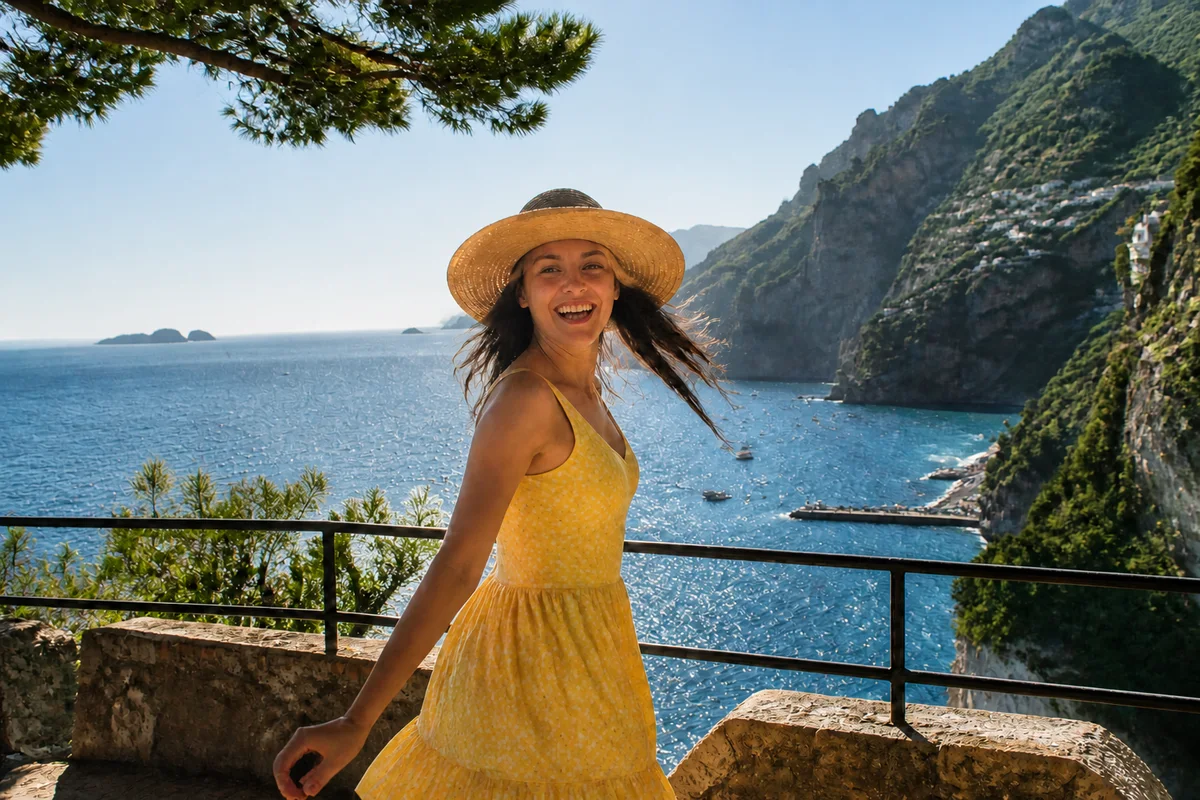
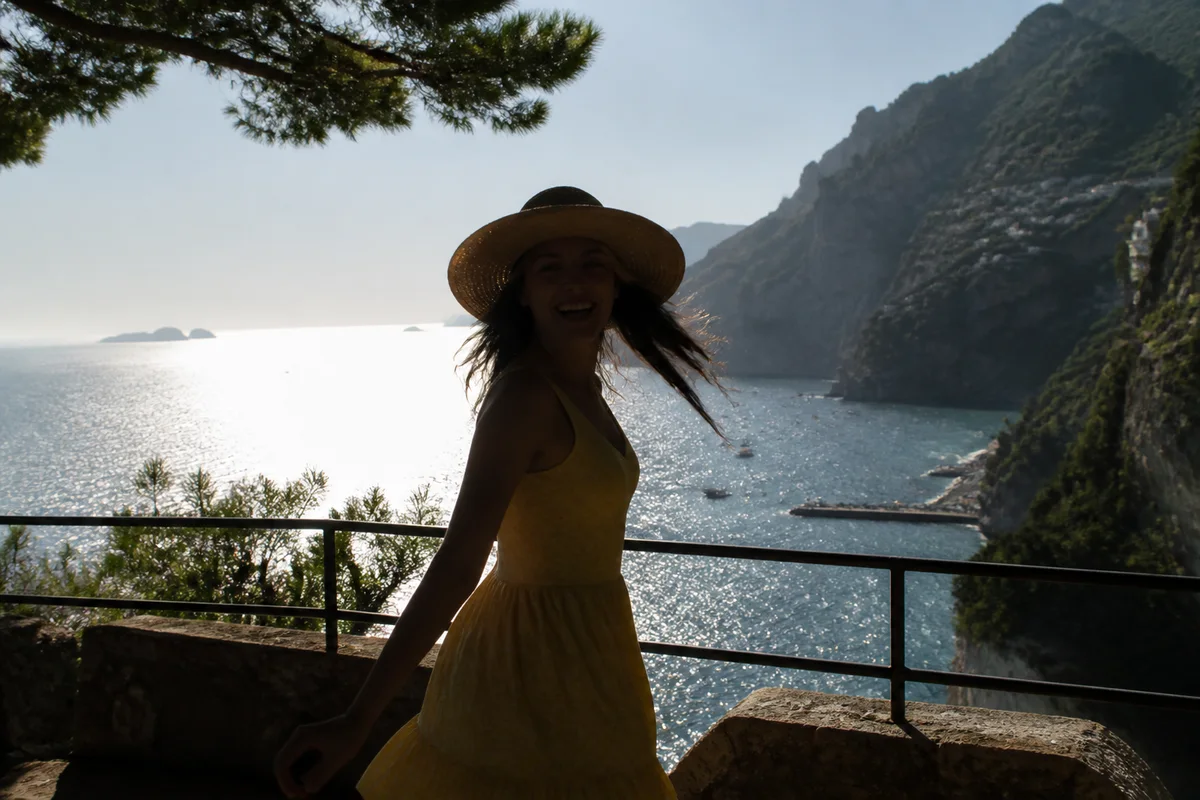
Watch the rescue unfold — pull the slider across.
Travel photos get one take. The temple at dawn, the market at dusk, the mountains from the moving train — you frame, you shoot, you move on, and weeks later discover the camera exposed for the sky and buried everything you cared about in shadow. The trip was luminous; the archive came home dark.
Underexposure is the most recoverable of photographic sins. The detail is in the file, sitting below where screens display it — AI lifts the shadows, rebalances the scene against its bright sky, revives the color the darkness muted, and the market glows the way it did in person. Seconds per photo, whole-trip scale.
These are the photos you'll use for years — prints, posts, the album that settles what the trip was. Worth rescuing properly.
The problems this solves
- Cameras expose for bright skies and sink the subject into shadow.
- Dusk and interior shots come out darker than the scene felt.
- Muted, dark color makes vivid places look gray.
- There's no going back for a retake.
A workflow that works
Lift the shadows
Exposure correction recovers the subject the camera sacrificed to the sky.
AI Exposure FixerBalance scene against sky
A range-balancing pass keeps the dramatic sky while opening the landscape under it.
AI HDR BoostRevive the place's color
Underexposure mutes the market's spices and the sea's blue — a measured boost returns them.
AI Color PopClean and sharpen dusk shots
The dimmer frames carry sensor noise; cleanup finishes the rescue.
AI DenoiseFrequently asked questions
The subject is a silhouette against the sky. Recoverable?
Usually — sensors keep shadow detail screens don't show, and lifting reveals it. Full silhouettes recover with more noise, so expect cleanup to matter; check faces closely after strong lifts.
Can I fix a whole trip's photos before printing an album?
Seconds per image makes an album-prep pass over a few hundred photos a weekend project. Fix the album's picks rather than the entire card.
Will lifted photos still look like the actual light of the place?
The aim is the scene as your eyes had it, which cameras under-deliver at dusk. If a result feels brighter than the memory, re-run with gentler instructions — you're the reference for what the evening looked like.
What's free to try?
Signup includes 4 free credits — rescue the trip's four most-mourned frames first.
Related use cases