
Use case
Rescue Your Disposable Camera Shots
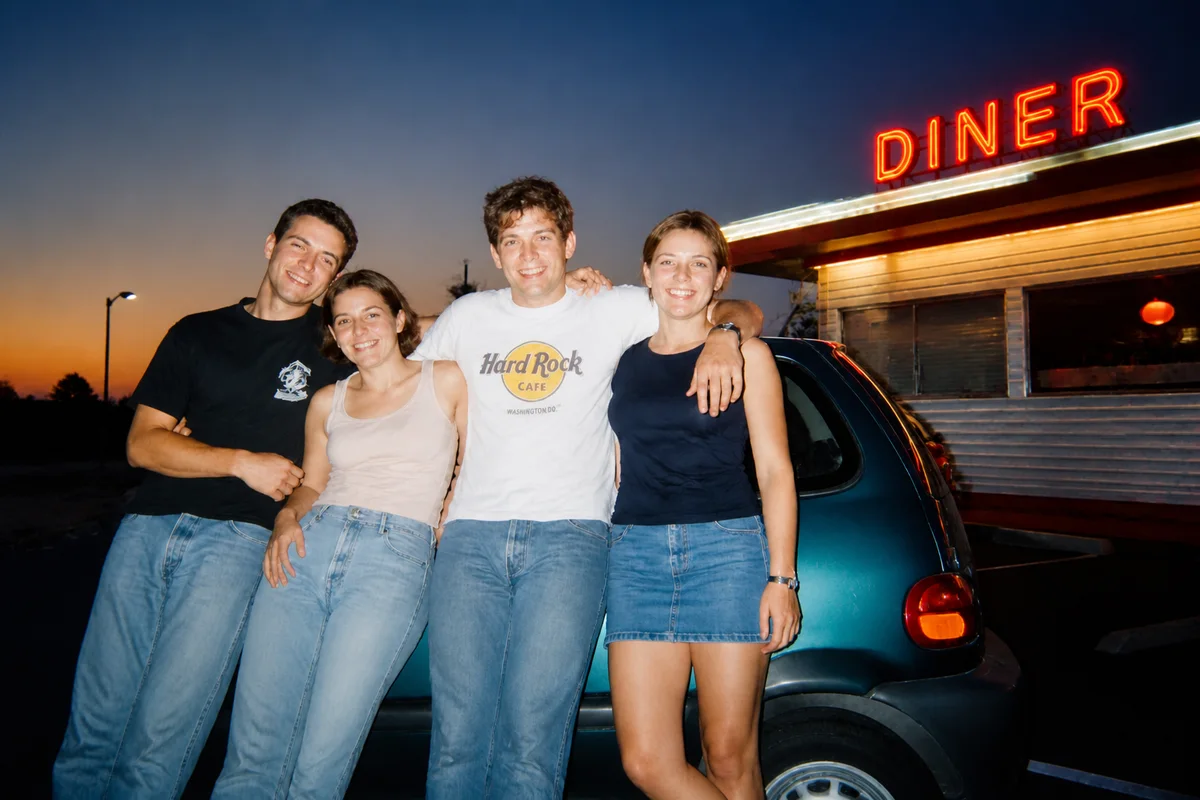
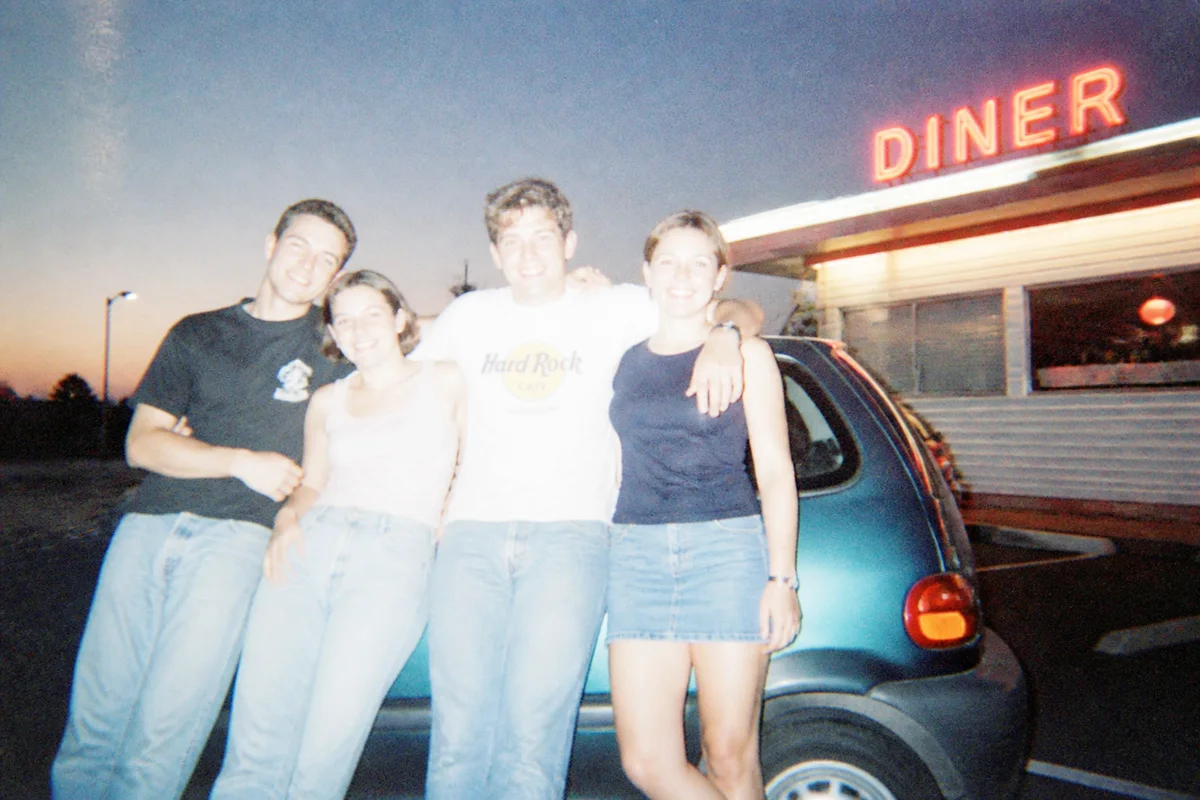
Watch the rescue unfold — pull the slider across.
Disposable cameras never went away — weddings put them on tables, festival-goers pack them on purpose, and a shoebox generation of them documents the late nineties. The trade-off is fixed: a plastic lens, one flash power, and film that renders the night as grain soup. For every disposable frame you love, there's a reason it almost didn't work.
AI enhancement fixes the failures while keeping the character. Denoise the grain without sterilizing it, brighten the frames the weak flash couldn't reach, correct the drugstore color, and sharpen what the plastic lens smeared. The photo still feels like film — it just stops feeling like a mistake.
This applies equally to the fresh disposable from last month's wedding and the 1998 shoebox print: same camera, same flaws, same seconds-long fix.
The problems this solves
- Indoor and night shots are dark beyond the flash's short reach.
- High-ISO film grain swallows detail, especially in low light.
- The plastic lens leaves everything slightly soft, worse at the edges.
- Lab prints and scans carry a color cast that varies roll to roll.
A workflow that works
Brighten past the flash's range
The single-power flash lit six feet of the room; brightening recovers everyone standing at eight.
AI Low Light BrightenerCalm the grain
A measured denoise keeps film texture while releasing the faces trapped inside it.
AI DenoiseCorrect the lab color
One-hour labs and aging prints both shift color; correction settles skin tones without losing the film feel.
AI Color CorrectionSharpen the plastic-lens softness
Gentle sharpening counters the fixed-focus blur, especially on faces near the frame's edge.
AI Image SharpenerFrequently asked questions
Will fixing the photo lose the film look people shoot disposables for?
The treatments are adjustable — denoise lightly and skip heavy sharpening and the frame keeps its film character, minus the failures. If you overshoot, re-run with a lighter touch; each pass takes seconds.
We put disposables on the wedding tables and half the shots are too dark. Salvageable?
That's the classic case, and yes — brightening plus denoising recovers most of the dark half. Guests' candid angles are usually worth the rescue.
Should I scan prints or ask the lab for digital files?
Lab digital files carry the most detail. Failing that, scan or photograph the prints — the AI works from whatever capture you have.
Is there a free way to test a few frames?
Signup includes 4 free credits — enough to rescue your favorite frames and judge the look.
Related use cases