
Use case
Revive Photos the Sun Faded in Their Frames
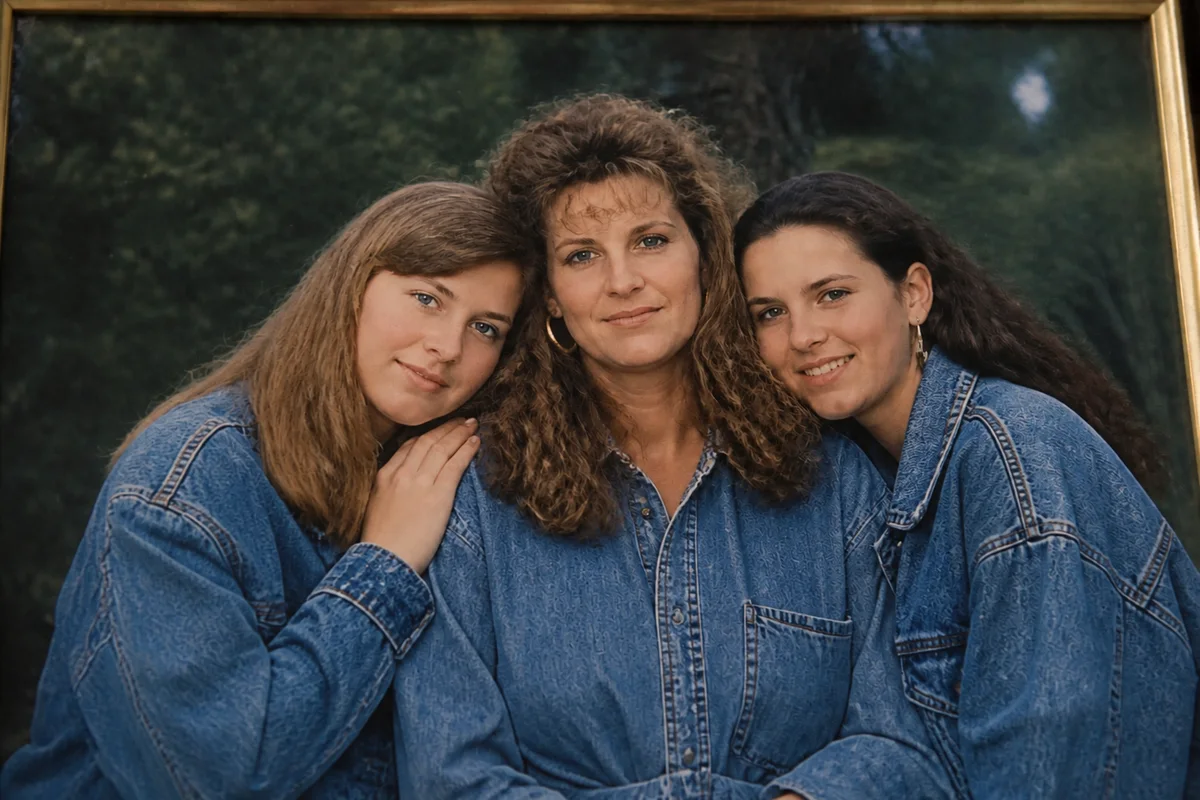
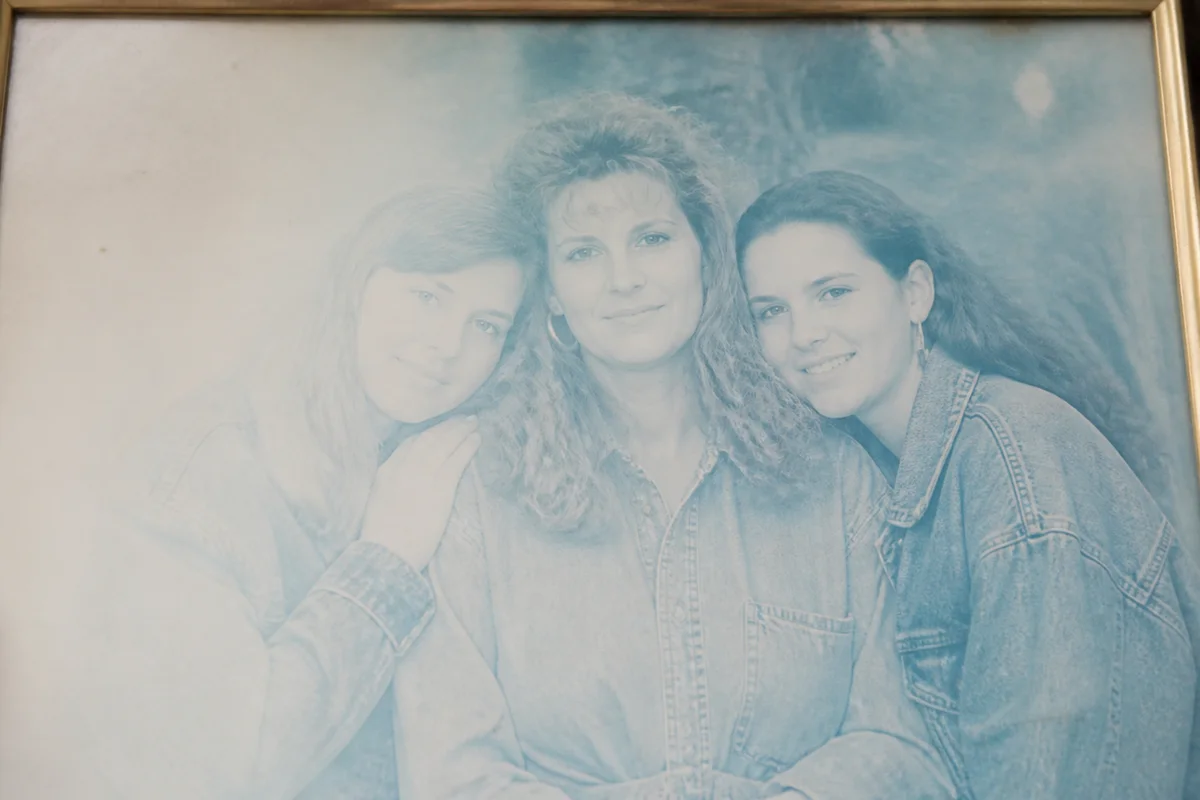
Watch the rescue unfold — pull the slider across.
The photos a family loves most get framed — and the framed ones face the window. A decade of afternoons does quiet, thorough work: reds vanish first, then the image slides toward a pale cyan ghost of itself. The photo everyone walked past daily has been disappearing in plain sight.
AI restoration reads what survives in the bleached print and rebuilds the image from it — color rebalanced from the remaining dye layers, contrast restored, the family on the beach in 2009 returned to full strength. From a phone photo or scan of the print, the whole revival takes seconds.
The revived digital file has one advantage the print never had: it can hang on any wall, in any light, forever. Print a fresh copy for the frame and keep the master file safe.
The problems this solves
- Red tones bleach first, leaving the print a pale blue-green ghost.
- Fade is uneven — the matted edges stayed dark while the exposed image bleached.
- The original file or negative is long lost; the faded print is all that remains.
- A new print from the faded original would just fade the same way.
A workflow that works
Rebuild the bleached color
Restoration reconstructs the vanished color channels from what the sun left behind.
AI Photo RestorationEven out the fade line
The hard line where the mat protected the print needs blending so the image reads uniformly again.
AI Color CorrectionRestore the depth
Sun fade flattens tonal range; a contrast and depth pass gives the scene back its dimensionality.
AI HDR BoostUpscale for reprinting
The revived image goes back in the frame as a fresh print — upscale so it's crisp at frame size.
AI Image UpscalerFrequently asked questions
Can I photograph the print through the frame's glass?
If the frame shouldn't be opened, angle your shot to dodge reflections and use indirect light. Opening the frame for a direct capture gives cleaner input, but glass shots work with care.
The print is almost entirely white now. Is anything recoverable?
Often more than expected — faint dye traces the eye can't read still guide the reconstruction. The further gone the print, the more the result is reconstruction, so review faces closely and temper expectations for near-blank prints.
How do I keep the new print from fading too?
Hang it away from direct sun or use UV-filtering glass — and keep the digital master safe. The file is the real heirloom now; reprinting costs pennies.
How fast is the fix?
Seconds per photo, whenever you get to it. Signup includes 4 free credits — the hallway's most faded frame is a good first test.
Related use cases