
Use case
Get Old Photos Slideshow-Ready for the Reunion
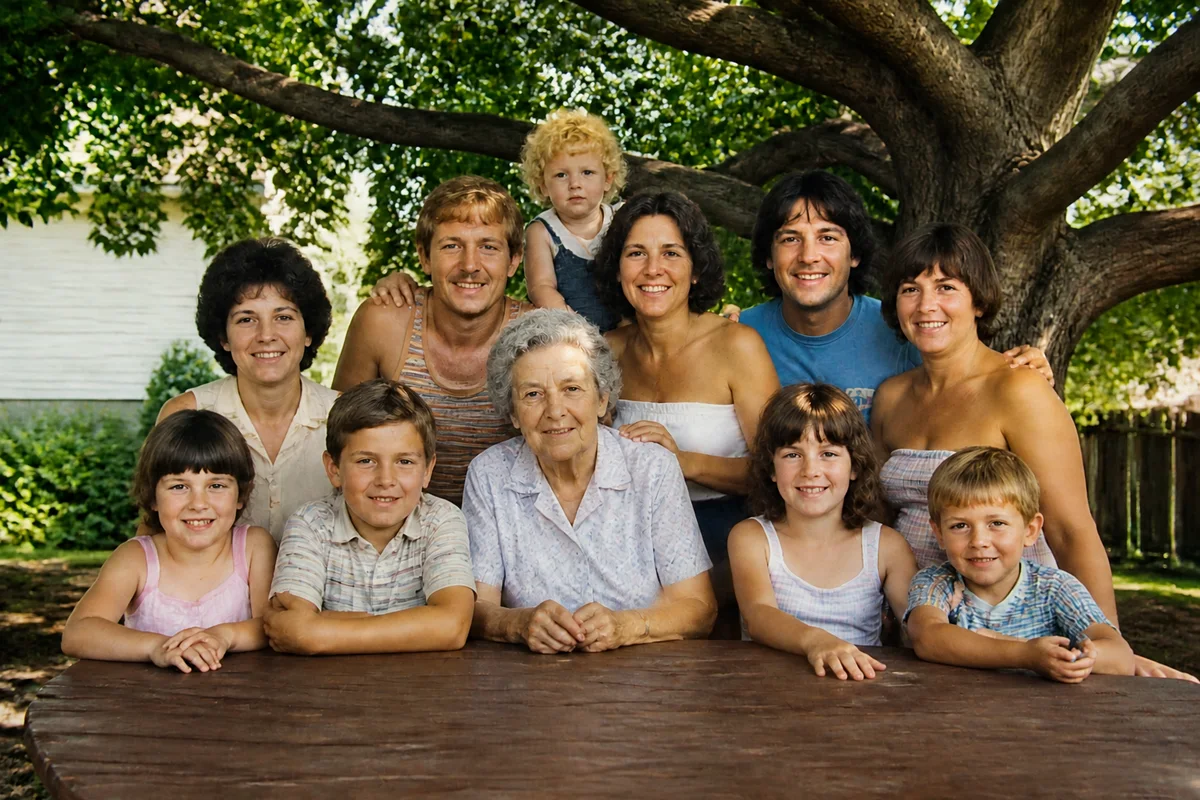
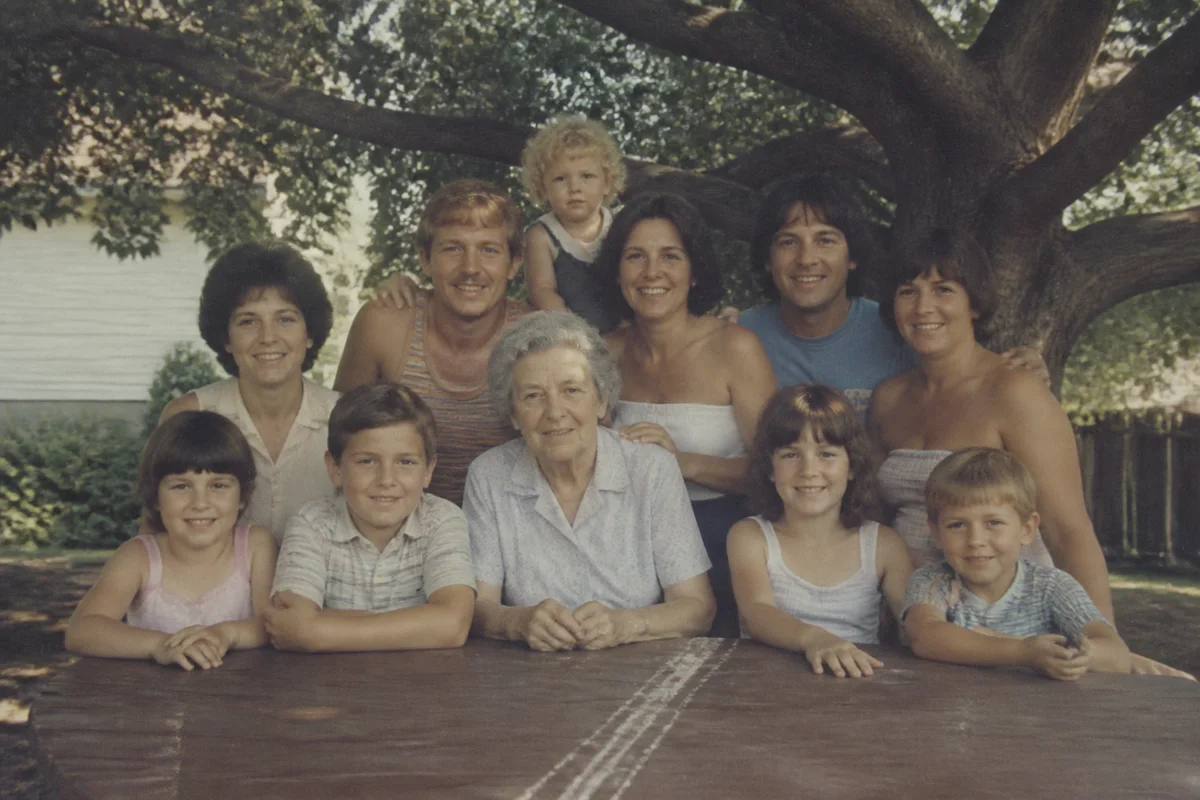
Watch the rescue unfold — pull the slider across.
Reunion slideshows are archives under deadline. Relatives contribute a chaotic mix — phone photos of framed prints, sixty-year-old scans, cropped faces from group shots — and someone has to make it play as one show on a big screen by Saturday. Every rough image will be six feet wide in front of the whole family.
AI treatment levels the collection fast. Faded contributions get revived, blurry ones sharpened, tiny email attachments upscaled to projector size, and dark captures brightened — each in seconds, which is what makes a hundred-photo show feasible on a weeknight. The great-grandparents' 1950s portrait and last summer's beach photo end up feeling like parts of the same story.
Bonus outcome, every time: the revived files outlive the slideshow, and the reunion becomes the moment the family archive quietly got rescued.
The problems this solves
- Contributions range from crisp phone shots to third-generation photocopies.
- Projector screens magnify every flaw a small print used to hide.
- Phone photos of framed prints arrive with glare and keystone angles.
- The deadline is fixed and the photo pile is enormous.
A workflow that works
Revive the old contributions
The faded and damaged prints in the pile get restored first — they're the emotional core of every reunion show.
AI Photo RestorationBrighten the dark captures
Photos of photos, taken indoors, run dark — brightening levels them with the rest of the show.
AI Low Light BrightenerUpscale everything for the big screen
Email-attachment resolution collapses on a projector; upscaling keeps every slide crisp at room size.
AI Image UpscalerSharpen the key faces
The room will lean in at certain slides — the ancestors, the departed — and those faces should meet the moment.
AI Face EnhancementFrequently asked questions
Relatives sent phone photos of framed pictures, full of glare. Usable?
Usually, yes — glare removal and restoration recover a surprising amount. Ask contributors to reshoot the worst ones without flash near a window; angle away from light sources.
How many photos can I realistically process before Saturday?
Each treatment takes seconds and the site's available around the clock, so a hundred-photo show is one or two evenings. Triage: revive the irreplaceable, batch-brighten the rest.
What resolution do I need for a projector?
Aim for at least 1920 pixels wide per slide. Upscale anything smaller — small files that look fine on a phone dissolve on a wall.
Can I try the workflow before committing?
Signup includes 4 free credits — test one faded print and one blurry contribution and judge on the big screen.
Related use cases